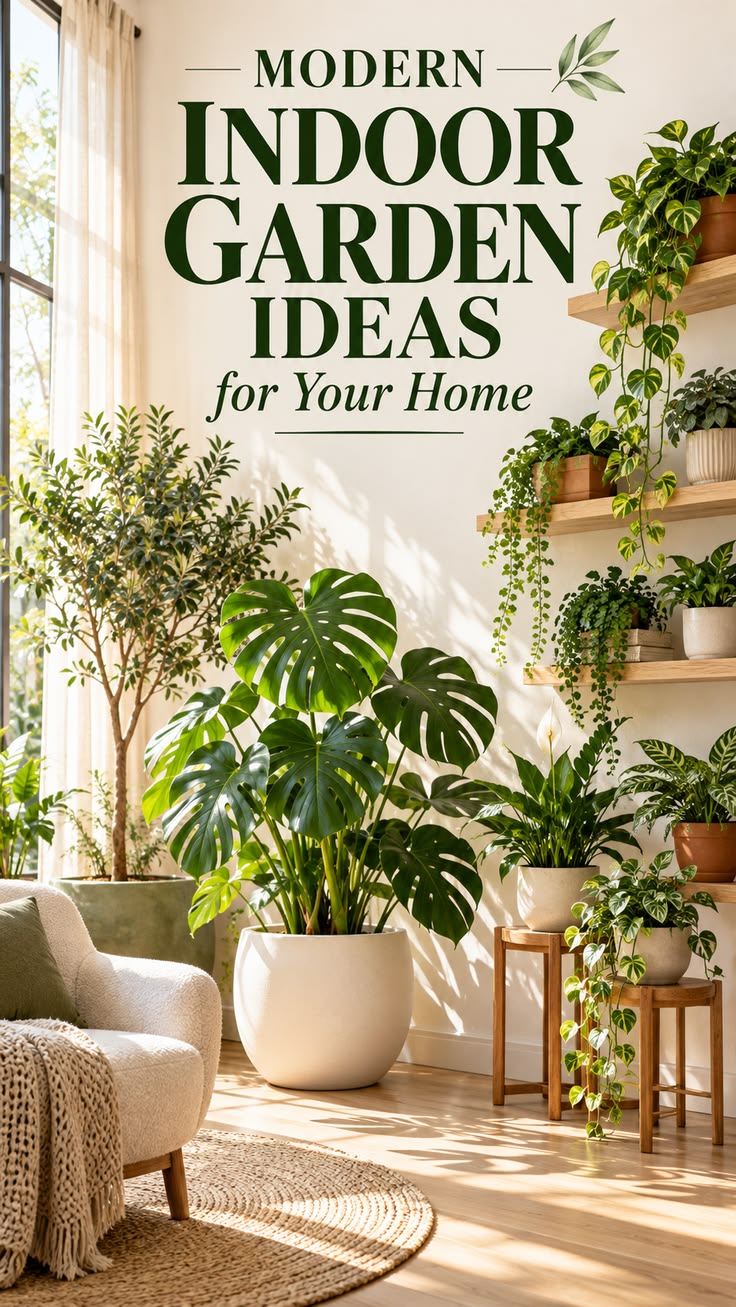

Indoor plants are one of the easiest ways to make your home feel fresh, inviting, and stylish. They bring natural color into your rooms, soften modern interiors, and add life to empty corners without requiring expensive decorations. Whether you live in a small apartment or a spacious house, the right houseplants can transform your living room, bedroom, kitchen, or hallway into a more welcoming space.
From elegant fiddle-leaf figs to easy-care snake plants and trailing pothos, there are indoor plants for almost every decorating style and level of gardening experience.
The secret is to choose plants that suit your home’s lighting, available space, and daily routine. Here are 12 beautiful indoor plants that can help your home look greener, brighter, and more stylish.
1. Monstera Deliciosa
The Monstera deliciosa, often called the Swiss cheese plant, is a favorite for modern interiors because of its large, glossy leaves with distinctive natural splits and holes.
Its dramatic foliage creates a beautiful focal point in living rooms, home offices, and spacious bedrooms. Place it beside a sofa, near a bright window, or in an empty corner where its leaves have room to spread.
Monstera generally prefers bright, indirect light and well-draining soil. Water when the upper portion of the soil has begun to dry, adjusting for the season and indoor conditions.
For a stylish appearance, choose a simple ceramic planter in white, beige, or terracotta.
Styling tip: A mature Monstera can look particularly attractive beside wooden furniture and neutral-colored walls.
Keep it away from pets that may chew plants, as Monstera is toxic if ingested.
2. Snake Plant
The snake plant is an excellent choice if you want attractive greenery without spending much time on plant care.
Its upright, sword-shaped leaves create a clean, architectural look that works beautifully in modern and minimalist homes. It is particularly useful for decorating narrow corners, entryways, bedrooms, and home offices.
Snake plants tolerate a range of indoor lighting conditions, although growth is generally better in suitable indirect light. They need well-draining soil and should be allowed to dry out between waterings.
Overwatering is one of the most common reasons these plants struggle, so avoid leaving the pot sitting in water.
Their upright shape also means they take up relatively little floor space.
Snake plants are toxic to cats and dogs if eaten, so place them somewhere inaccessible to pets.
3. Peace Lily
Peace lilies are admired for their deep green leaves and elegant white flower-like spathes.
They can add a soft, graceful touch to living rooms, bedrooms, and other indoor spaces. Their contrasting green and white appearance works particularly well with neutral interiors and natural materials.
Peace lilies generally prefer bright, indirect light, although they can tolerate lower-light conditions. They need consistently lightly moist soil, but the roots should not remain waterlogged.
They may droop when thirsty, although it is better to monitor the soil rather than wait for wilting.
A peace lily looks beautiful in a simple white, cream, or stone-effect planter.
Keep in mind that peace lilies are toxic to cats and dogs and can irritate the mouth if chewed.
4. Pothos
Pothos is a popular trailing houseplant known for its heart-shaped leaves and attractive cascading growth.
Depending on the variety, the foliage may be deep green, golden, or variegated with cream markings. This makes pothos an excellent option for decorating shelves, bookcases, plant stands, and hanging planters.
It generally grows well in bright, indirect light and can tolerate lower light, although variegated varieties may lose some of their contrasting patterns in darker conditions.
Allow the soil to dry somewhat between waterings and use a pot with drainage.
One of the best features of pothos is its flexible styling. You can let the vines trail naturally from a shelf or train them along a suitable support.
Pothos is toxic to cats and dogs if chewed, so consider pet-safe placement.
5. Rubber Plant
The rubber plant is an attractive option for anyone who wants a bold indoor plant with a sophisticated appearance.
Its large, glossy leaves are usually deep green, although some varieties feature burgundy or reddish tones. The plant can create a striking focal point beside a sofa, next to a console table, or in a bright living-room corner.
Rubber plants generally prefer bright, indirect light and well-draining soil. Water when the upper part of the soil has dried, and avoid leaving excess water in the saucer.
Wipe the leaves occasionally with a soft, damp cloth to remove dust and maintain their natural shine.
A tall rubber plant in a simple planter can add height and visual interest without requiring numerous decorative accessories.
Rubber plants are toxic to pets if ingested, and their milky sap can irritate skin.
6. Areca Palm
If you want to create a fresh, tropical atmosphere, an areca palm is worth considering.
Its long, feathery fronds bring movement and softness to a room, making it especially attractive in living rooms, bright conservatories, and spacious bedrooms.
Areca palms generally prefer bright, indirect light and evenly moist but well-drained soil. They benefit from suitable humidity and should not be left sitting in standing water.
Because their foliage spreads outward, give them enough space to grow without brushing against furniture or blocking walkways.
Place the plant in a woven-style basket around its nursery pot or choose a neutral planter for a relaxed, natural look.
Areca palms are considered non-toxic to cats and dogs, making them a useful option for many pet-owning households.
7. ZZ Plant
The ZZ plant is an excellent choice for busy people who want attractive greenery with minimal maintenance.
It has thick stems and glossy, dark green leaves that create a neat, polished appearance. Its compact growth makes it suitable for desks, shelves, bedrooms, and smaller living spaces.
ZZ plants tolerate lower-light conditions, although they generally grow better with suitable indirect light. Their thick underground rhizomes store water, so they do not need frequent watering.
Allow the soil to dry thoroughly between waterings and use a container with drainage.
The plant’s naturally glossy foliage looks particularly good in modern interiors with clean lines and simple decorative accessories.
ZZ plants are toxic if ingested, so keep them away from children and pets who might chew the leaves.
8. Spider Plant
Spider plants are known for their arching green-and-white leaves and their ability to produce small plantlets on long stems.
Their flowing shape makes them ideal for hanging baskets, elevated shelves, and bright kitchen windowsills.
Spider plants generally prefer bright, indirect light but can adapt to moderate indoor lighting. Water when the upper layer of soil begins to dry, and ensure that excess water can drain away.
As the plant matures, its dangling plantlets create an attractive cascading effect. These can also be propagated to grow new plants.
Spider plants are considered non-toxic to cats and dogs, making them a popular option for pet-friendly homes.
For a coordinated interior, choose a simple hanging planter or a ceramic pot in a complementary neutral shade.
9. Fiddle-Leaf Fig
The fiddle-leaf fig is known for its large, violin-shaped leaves and striking upright form.
It is often used as a statement plant in contemporary living rooms, where its dramatic foliage can fill an otherwise empty corner.
Fiddle-leaf figs generally need plenty of bright, indirect light and consistent care. They can be sensitive to sudden changes in their environment, overwatering, and poor drainage.
Choose a suitable position before placing the plant, and avoid moving it frequently if it is growing well.
Its bold leaves pair beautifully with neutral furniture, textured rugs, and wooden accents.
Although visually impressive, this plant can be more demanding than some other indoor varieties, so it is best for people prepared to pay attention to its growing conditions.
Fiddle-leaf figs are toxic to cats and dogs if ingested.
10. Chinese Money Plant
The Chinese money plant, also known as Pilea peperomioides, is loved for its round, coin-shaped leaves and compact growth.
Its unusual foliage gives it a playful yet contemporary appearance, making it ideal for coffee tables, bedside tables, bookshelves, and home-office desks.
It generally prefers bright, indirect light and well-draining soil. Allow the upper layer of soil to dry before watering again.
Rotate the pot occasionally if the plant leans toward a light source.
Mature plants may produce small offsets around their base, which can sometimes be separated and grown into new plants.
Its compact size makes it especially useful for small apartments where a large floor plant would take up too much room.
Chinese money plants are generally considered non-toxic to cats and dogs.
11. Aloe Vera
Aloe vera is a practical and attractive succulent with thick, fleshy leaves arranged in a distinctive rosette.
Its sculptural appearance works well in kitchens, bright bathrooms, and sunny windowsills. It is particularly suited to interiors that use simple shapes, natural materials, and uncluttered surfaces.
Aloe vera needs bright light, often including some direct sunlight after gradual acclimation. Use a well-draining succulent mix and allow the soil to dry thoroughly between waterings.
It is particularly important not to overwater aloe, as its roots can rot in persistently wet soil.
A small aloe plant in a terracotta pot can add a subtle decorative touch without occupying much space.
Aloe vera is toxic to cats and dogs if ingested, so keep it out of their reach.
12. Boston Fern
Boston ferns are known for their lush, arching fronds, which create a soft, full appearance.
They work beautifully in hanging baskets, on plant stands, or in bright rooms where their foliage can spread naturally.
Boston ferns generally prefer indirect light, consistently moist soil, and higher humidity than many other common houseplants. They can struggle in very dry indoor air, particularly near radiators.
Check the soil regularly and avoid allowing the plant to dry out completely. Good drainage is still essential.
Their delicate foliage can soften rooms dominated by hard surfaces, metal furniture, or straight architectural lines.
Boston ferns are considered non-toxic to cats and dogs, making them another option for pet-friendly homes.
How to Decorate Your Home with Indoor Plants
Choosing attractive plants is only part of the process. The way you display them can make an even greater difference to your home’s overall appearance.
Create a Green Corner
Group plants of different heights in one corner of your living room. Combine a taller floor plant with a medium-sized plant and a smaller pot on a stand.
This creates a layered arrangement without spreading plants throughout every part of the room.
Use Beautiful Planters
Planters can complement your interior just as much as the plants themselves. Ceramic pots, terracotta containers, and woven-style baskets can all add texture and personality.
Choose a consistent color palette to make your collection feel coordinated.
Decorate Shelves with Trailing Plants
Pothos and spider plants can soften the straight lines of shelves and bookcases. Place them where their leaves have room to hang without obstructing doors or walkways.
Match Plants to the Available Light
Before buying a plant, observe how much sunlight each room receives. A bright windowsill may suit aloe vera, while a spot with indirect light may be more appropriate for a Monstera or peace lily.
Remember that no plant thrives in complete darkness, and low-light tolerance does not mean a plant needs no light.
Keep the Arrangement Balanced
Combine different leaf shapes, heights, and textures, but avoid overcrowding your furniture. A few healthy, well-positioned plants often look better than a large collection squeezed into one space.
Conclusion
Indoor plants can make your home look fresher, more beautiful, and more inviting without requiring a major decorating budget. From the dramatic leaves of the Monstera and rubber plant to the delicate fronds of the Boston fern and the compact shape of the Chinese money plant, there is an option for almost every room and interior style.
Start with two or three plants that suit your available light, maintenance routine, and space. Add attractive planters, arrange them thoughtfully, and allow each plant enough room to grow.
Most importantly, consider the safety of children and pets when choosing houseplants. Some popular varieties are toxic if chewed, while others are considered pet-friendly.
With the right selection and a little care, indoor plants can become beautiful living decorations that bring natural charm and personality into your home throughout the year.