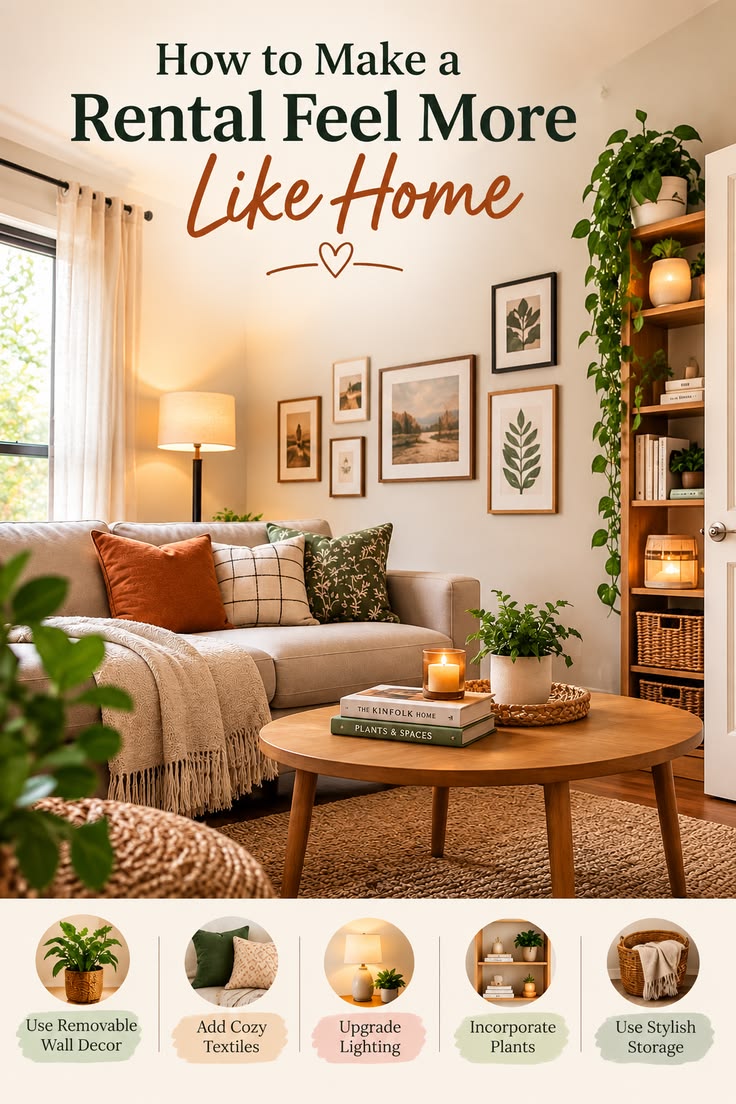

A rental apartment may be temporary, but that does not mean it cannot feel warm, comfortable, and uniquely yours. Whether you have just moved into your first apartment or have been renting for years, creating a home is about more than owning property. It is about building a space where you can relax, express your personality, make memories, and feel a sense of belonging.
The challenge with decorating a rental is that you may have restrictions on painting walls, drilling holes, replacing fixtures, or making permanent changes. Fortunately, there are plenty of creative and affordable ways to transform a plain apartment into a welcoming home without risking your security deposit.
Here are some practical ideas to help you make your rental apartment feel like home.
1. Start with a Thorough Clean
Before decorating, give your apartment a fresh start. Even if the landlord has cleaned it before you moved in, a thorough clean can make the space feel more inviting.
Wipe down kitchen counters, clean cupboard interiors, wash the windows, dust the shelves, and give the bathroom a deep clean. Pay attention to areas you will use every day, such as door handles, light switches, and kitchen appliances.
If the apartment has unpleasant smells, open the windows to let fresh air circulate. Wash any curtains that belong to you, clean the floors, and use a mild room fragrance if you enjoy scented spaces.
A clean environment provides a blank canvas for your personal touches. It also helps you feel more comfortable and settled from the beginning.
2. Decorate with Colours You Love
Colour has a powerful effect on the atmosphere of a room. While you may not be allowed to repaint your rental walls, you can still introduce your favourite colours through removable and movable accessories.
Start with a simple colour palette of two or three complementary shades. Neutral colours such as cream, beige, grey, and white create a calm foundation, while accents of green, blue, terracotta, or mustard can add personality.
Introduce these colours through cushions, throws, rugs, curtains, bedding, artwork, and decorative objects. For example, cream furnishings paired with green cushions and natural wood accessories can create a peaceful, nature-inspired atmosphere.
Choose colours that make you feel relaxed and happy rather than following every decorating trend. Your home should reflect your preferences, not simply look like a photograph from a magazine.
3. Make Your Lighting Warm and Inviting
Lighting can completely change the feeling of an apartment. Bright overhead lights may be practical, but they can sometimes make a room feel cold or impersonal.
Instead, create layers of lighting throughout your space. Use table lamps beside your sofa, floor lamps in dark corners, and bedside lamps to create a softer atmosphere in the evening.
Choose warm-white bulbs for living areas and bedrooms if you prefer a cosy feeling. Battery-powered lights and rechargeable lamps are particularly useful when you have limited sockets or do not want to make electrical changes.
You can also use fairy lights to decorate a bookshelf, brighten a balcony, or add a gentle glow to a bedroom. Always choose lighting suitable for its intended location and follow the manufacturer’s safety instructions.
The goal is to make your apartment feel comfortable at different times of the day, from bright mornings to quiet evenings.
4. Add Soft Furnishings for Comfort
Soft furnishings are among the easiest ways to make a rental feel like home. They add texture, warmth, colour, and comfort without requiring permanent alterations.
Start with a rug to define the living area or cover an unattractive floor. Add cushions and a throw blanket to your sofa, and choose curtains that complement your colour scheme.
In the bedroom, invest in comfortable bedding, soft pillows, and a duvet that suits the season. Even a simple bed can look inviting with neatly layered sheets and a textured blanket.
Mix different materials, such as cotton, wool, linen, velvet, and knitted fabrics, to create depth and interest.
If your budget is limited, focus on the items you touch and use most often. A comfortable bed, a cosy sofa, and a soft rug can make a much bigger difference to everyday life than expensive decorative accessories.
5. Display Personal Items and Memories
A home feels personal when it tells your story. Photographs, souvenirs, books, and treasured objects can make an unfamiliar apartment feel connected to your life.
Create a small gallery using framed photographs, postcards, prints, or artwork. Lean frames against a wall on a shelf or use renter-friendly picture-hanging strips, checking the surface compatibility and removal instructions first.
Display souvenirs from memorable trips, gifts from loved ones, or objects that remind you of important experiences. Arrange your favourite books on a shelf or coffee table, and place meaningful items where you can enjoy seeing them every day.
You do not need to display everything at once. Select a few meaningful pieces and arrange them thoughtfully to avoid clutter.
These small details help transform a generic rental into a space that feels familiar, personal, and genuinely yours.
6. Bring Nature Indoors
Plants can make an apartment feel fresher, calmer, and more alive. They introduce natural colour and texture while helping you connect with nature, particularly if you live in a busy urban area.
If your apartment receives plenty of natural light, consider plants such as pothos, spider plants, or succulents, depending on the conditions in your home. For darker rooms, choose plants suited to lower light levels.
If you do not have time to care for plants, good-quality artificial greenery can provide a similar decorative effect without regular watering.
Fresh flowers are another lovely option. A small bunch in a vase on the dining table or kitchen counter can brighten an ordinary day.
Use attractive plant pots and place greenery on windowsills, shelves, or side tables. Remember to protect surfaces from water damage and check that your chosen plants are suitable if you have pets.
7. Rearrange Furniture to Suit Your Lifestyle
You do not necessarily need new furniture to improve your apartment. Sometimes, rearranging what you already own is enough to make a room more functional and welcoming.
Think about how you use each space. Position your sofa to encourage conversation, place a reading chair near natural light, and ensure that frequently used items are easy to reach.
If your apartment is small, choose furniture that serves more than one purpose. Storage ottomans, nesting tables, foldable desks, and beds with drawers can help you make the most of limited space.
Avoid pushing every piece of furniture against the walls simply because it seems like the obvious arrangement. Experiment with different layouts while keeping walkways clear.
Your home should support your daily routines, whether that means working remotely, entertaining friends, enjoying quiet evenings, or practising a hobby.
8. Maximise Storage and Reduce Clutter
Clutter can make even a beautifully decorated apartment feel stressful. Good storage helps your home look organised while making everyday activities easier.
Use baskets for blankets, storage boxes for seasonal clothing, and drawer organisers for smaller items. Over-door hooks can provide additional hanging space without requiring drilling, provided they fit safely and do not damage the doors.
Make use of vertical space with freestanding shelves, bookcases, and stackable storage containers. In the kitchen, organise cupboards so that frequently used utensils and ingredients are easy to find.
Try to give every item a designated place. At the end of the day, spend a few minutes returning things to where they belong.
You do not have to achieve a perfectly minimalist home. The goal is to keep the things you love and need while making your space easier to maintain.
9. Make Your Apartment Smell Like Home
Scent is closely connected to memory and emotion, making it a surprisingly effective way to create a welcoming atmosphere.
Choose a scent that you associate with relaxation, cleanliness, or happiness. Depending on your preferences, this might be fresh linen, citrus, lavender, or a subtle woody fragrance.
You could use reed diffusers, room sprays, or scented candles where permitted. If you use candles, never leave them unattended and keep them away from curtains and other flammable materials. Unscented options are better if you are sensitive to fragrances.
Regularly wash bedding, ventilate rooms, and keep rubbish and food waste under control. A clean, fresh-smelling home often feels more inviting than one filled with strong fragrances.
Over time, a familiar scent can become part of your everyday routine and help signal that it is time to unwind.
10. Create a Cosy Corner Just for You
Every home benefits from a small area dedicated to relaxation or personal enjoyment. You do not need a spare room or a large apartment to create one.
Choose an unused corner and add a comfortable chair, a small table, a lamp, and a soft blanket. This can become your reading nook, coffee corner, meditation space, or quiet place to listen to music.
If you work from home, you might create a compact desk area that helps separate work from leisure. If you enjoy creative activities, dedicate a shelf or table to your hobbies.
The important thing is to create a space that supports something you love. Even a small corner can provide a sense of comfort and routine in an otherwise busy life.
11. Make Small Changes That Reflect Your Personality
The most meaningful homes are rarely created all at once. They develop gradually as people discover what they enjoy and what makes everyday life more comfortable.
Display artwork that inspires you, keep your favourite mug within reach, arrange books by your bedside, or create a welcoming entryway with a small tray for keys and a place for shoes.
You might add a mirror to make a room feel brighter, replace permitted removable accessories, or use attractive storage to hide everyday essentials.
Before making changes to walls, flooring, fixtures, or built-in furniture, check your tenancy agreement and obtain your landlord’s permission where necessary. Choose reversible decorating methods whenever possible, and test adhesive products in an inconspicuous area.
Remember that personalising your apartment does not have to be expensive. Thoughtful choices often matter more than the amount of money you spend.
12. Build Routines That Make the Space Feel Like Home
Finally, remember that a home is not created by decorating alone. It is also created by the routines, relationships, and experiences that happen within it.
Make yourself a morning coffee in your favourite corner. Cook meals you enjoy, invite friends over for dinner, play music while tidying, or spend a quiet evening reading on the sofa.
Keep your space reasonably organised, open the curtains each morning, and create a relaxing evening routine. Celebrate small occasions, decorate seasonally if you enjoy it, and allow your apartment to evolve as your needs change.
These everyday habits create familiarity and emotional attachment. Gradually, the apartment becomes more than a place where you sleep; it becomes the place where your life unfolds.
Conclusion
Making your rental apartment feel like home does not require expensive furniture, permanent renovations, or a large living space. With warm lighting, comfortable textiles, meaningful decorations, practical storage, and a few personal touches, you can create a space that reflects your personality and supports your lifestyle.
Start with small, affordable changes and focus on the areas that matter most to you. Respect your rental agreement, choose reversible solutions, and remember that you do not have to finish decorating everything in one weekend.
Ultimately, home is not defined by whether you own the walls around you. It is defined by how you feel within them. When your apartment offers comfort, familiarity, and a place to be yourself, even a temporary rental can feel like somewhere you truly belong.