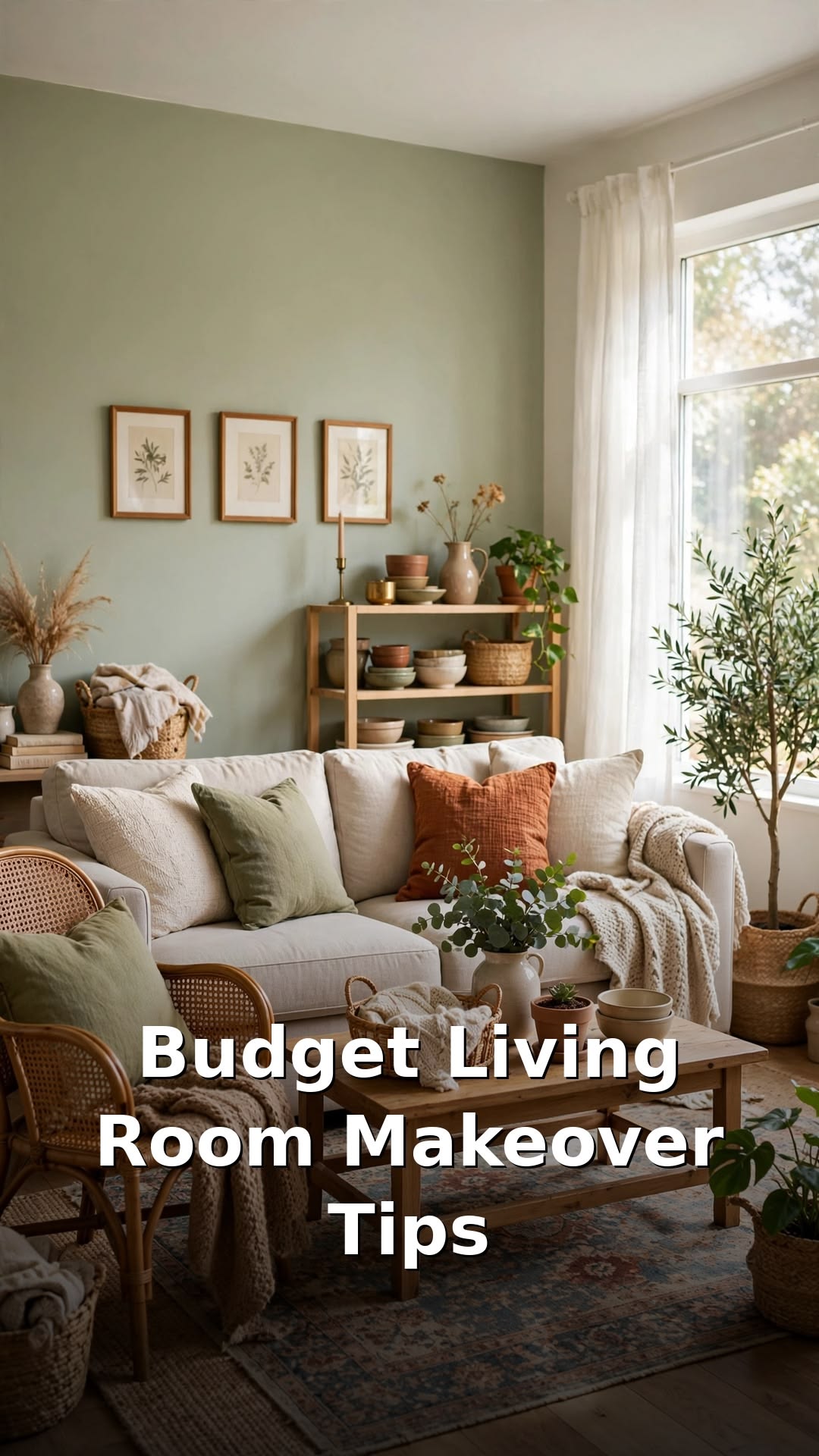

Decorating your living room does not have to cost a fortune. With a little creativity, thoughtful planning, and a few simple changes, you can transform your space into a stylish, comfortable, and welcoming room without spending too much money. Whether you live in a small apartment or a spacious house, budget-friendly decorating is all about making the most of what you already have.
From rearranging furniture to adding affordable accessories, there are plenty of ways to refresh your living room without purchasing everything new. Here are ten practical ideas to help you decorate your living room on a budget.
1. Rearrange Your Existing Furniture
One of the easiest and cheapest ways to refresh your living room is to rearrange your furniture. Before buying anything new, experiment with different layouts using the sofa, chairs, coffee table, and other pieces you already own.
Move your sofa away from the wall if there is enough space, position chairs to encourage conversation, or create a more open walkway through the room. Make sure the furniture arrangement allows people to move around comfortably.
You can also move furniture between rooms to create a fresh look without spending money. A small table from your bedroom might work perfectly beside the living room sofa.
Budget tip: Take a photograph of your current layout before making changes. Compare different arrangements to see which one makes your room feel more spacious and inviting.
2. Refresh Your Walls with Affordable Decor
Empty walls can make a living room feel unfinished, but decorating them does not require expensive artwork. You can create an attractive display using affordable prints, personal photographs, handmade artwork, or pictures you already own.
Create a gallery wall by combining different frame sizes and arranging them in a balanced layout. For a coordinated appearance, use frames in similar colors or select artwork that shares a common color palette.
If you prefer a simpler look, choose one large print or create a display above the sofa.
Painting a wall in a complementary color is another affordable way to transform the room. Warm beige, soft green, muted blue, and creamy white can all create attractive backdrops.
Remember to measure your wall before purchasing frames or paint so that you avoid unnecessary expenses.
3. Use Cushions and Throws to Add Color
Cushions and throws are among the most affordable ways to change the appearance of a living room. They add color, texture, and comfort without requiring new furniture.
If your sofa looks tired, try combining cushions in different sizes and fabrics. You can mix plain cushions with subtle patterns, textured covers, or seasonal colors.
A soft throw draped over the arm of a sofa can also make the room feel more inviting. Choose colors that complement your curtains, rug, or existing furniture.
You do not need to purchase a complete set of matching accessories. Mixing a few complementary shades often creates a more interesting and personal look.
Budget tip: Buy cushion covers instead of complete cushions. Reusing the inserts you already own can save money and makes it easy to change your decor whenever you want.
4. Add Affordable Lighting
Lighting can dramatically influence the atmosphere of a living room. A single bright ceiling light may make the space feel plain, while several smaller light sources can create a softer and more relaxing environment.
Consider adding an affordable floor lamp, table lamp, or wall light. Place a lamp beside the sofa for reading, or use a small lamp on a side table to create a cozy corner.
Warm-toned bulbs can help create a comfortable atmosphere in the evening. If your room receives natural daylight, keep windows relatively clear and use lightweight curtains to make the most of it.
You can also update existing lamps with new shades rather than replacing the entire fixture.
Always choose lighting appropriate for the room and follow the manufacturer’s installation and safety instructions.
5. Decorate with Plants and Flowers
Plants can bring color, freshness, and life into a living room without a large investment. They work particularly well on windowsills, shelves, coffee tables, and empty corners.
If you are new to plant care, consider affordable, easy-care varieties suited to your home’s lighting conditions. You can also use cuttings from suitable existing plants to grow new ones.
For a low-cost decorative arrangement, place a few stems of seasonal greenery in a clean glass jar or simple vase.
If real plants are not practical for your space, dried flowers or branches can provide a natural decorative touch.
The key is to choose a few well-positioned plants rather than overcrowding the room. Even one attractive plant can make a noticeable difference.
6. Shop Second-Hand for Unique Furniture
Buying second-hand furniture is an excellent way to decorate your living room on a budget. Charity shops, flea markets, community marketplaces, and second-hand furniture stores often offer useful pieces at lower prices than new furniture.
Look for coffee tables, side tables, bookshelves, mirrors, storage baskets, and occasional chairs. Older furniture can also have more character than mass-produced alternatives.
Before purchasing, check the item’s condition, dimensions, stability, and any repair costs. For upholstered furniture, inspect carefully for signs of pests, odors, stains, or damage.
You can transform a basic wooden table with a thorough clean, a fresh coat of paint, or new hardware.
Buying second-hand also helps extend the useful life of existing products, making it a practical choice for budget-conscious decorators.
7. Make Your Own Decorative Accessories
DIY decorating is a great way to personalize your living room while keeping costs under control. You do not need advanced crafting skills to create attractive accessories.
Try framing fabric samples, creating abstract artwork with inexpensive paints, decorating plain plant pots, or using baskets to organize everyday items.
You can also give old accessories a new appearance by repainting picture frames, changing cabinet handles, or covering a plain storage box with decorative paper.
Before starting a project, check what materials you already have at home. Leftover paint, unused jars, fabric scraps, and old frames can often be reused.
Choose projects that are simple enough to finish and that complement the rest of your decor. A few carefully made accessories can look more appealing than numerous unrelated decorations.
8. Use Rugs to Define the Space
A rug can help make a living room feel more organized and comfortable. It adds texture, introduces color, and visually connects the furniture.
If your budget is limited, look for affordable rugs in simple patterns or neutral shades that work with your existing decor.
For a balanced layout, aim to position the rug so that at least the front legs of the main seating furniture sit on it, if the room and rug dimensions allow. This can help the seating area feel connected.
You do not necessarily need a large, expensive rug. Choose a size that suits the room rather than buying one that is too small simply because it costs less.
Second-hand rugs can also be good value, provided they are clean and in suitable condition.
9. Declutter and Organize Your Living Room
Sometimes the best living room makeover costs absolutely nothing. Too many objects, tangled cables, crowded shelves, and unnecessary furniture can make a room feel smaller and less attractive.
Start by removing items you no longer use. Clear the coffee table, organize remote controls, sort books, and put everyday belongings into designated storage spaces.
Use baskets, boxes, or existing cabinets to keep clutter out of sight. Arrange shelves with a mixture of books, decorative objects, and a little empty space.
Avoid filling every surface. Leaving some areas clear helps your favorite accessories stand out and gives the room a calmer appearance.
A clean, organized living room can look significantly more stylish without requiring any new purchases.
10. Choose a Simple Color Scheme
A consistent color scheme can make inexpensive furniture and accessories look thoughtfully coordinated.
Start with two or three main colors that work with your existing sofa, flooring, and curtains. For example, combine beige, cream, and olive green for a natural look, or use white, navy, and warm wood for a more classic style.
Repeat these colors in cushions, artwork, plant pots, throws, and small decorative accessories.
You do not have to replace everything to achieve a coordinated interior. Simply repeating a few colors throughout the room can create a sense of harmony.
If you enjoy bold colors, introduce them through accessories that can be changed easily rather than investing in expensive furniture that may not suit your preferences later.
Conclusion
Decorating your living room on a budget is about making thoughtful choices rather than spending more money. Rearranging furniture, refreshing walls, adding cushions, improving lighting, introducing plants, and shopping second-hand can all help transform your space affordably.
Start by identifying what you dislike about your current living room and decide which changes will make the biggest difference. Set a realistic budget, reuse what you already own, and prioritize practical improvements before buying decorative extras.
You do not need expensive furniture or luxury accessories to create a beautiful home. With creativity, patience, and a little planning, you can design a living room that feels comfortable, stylish, and personal while keeping your spending under control.