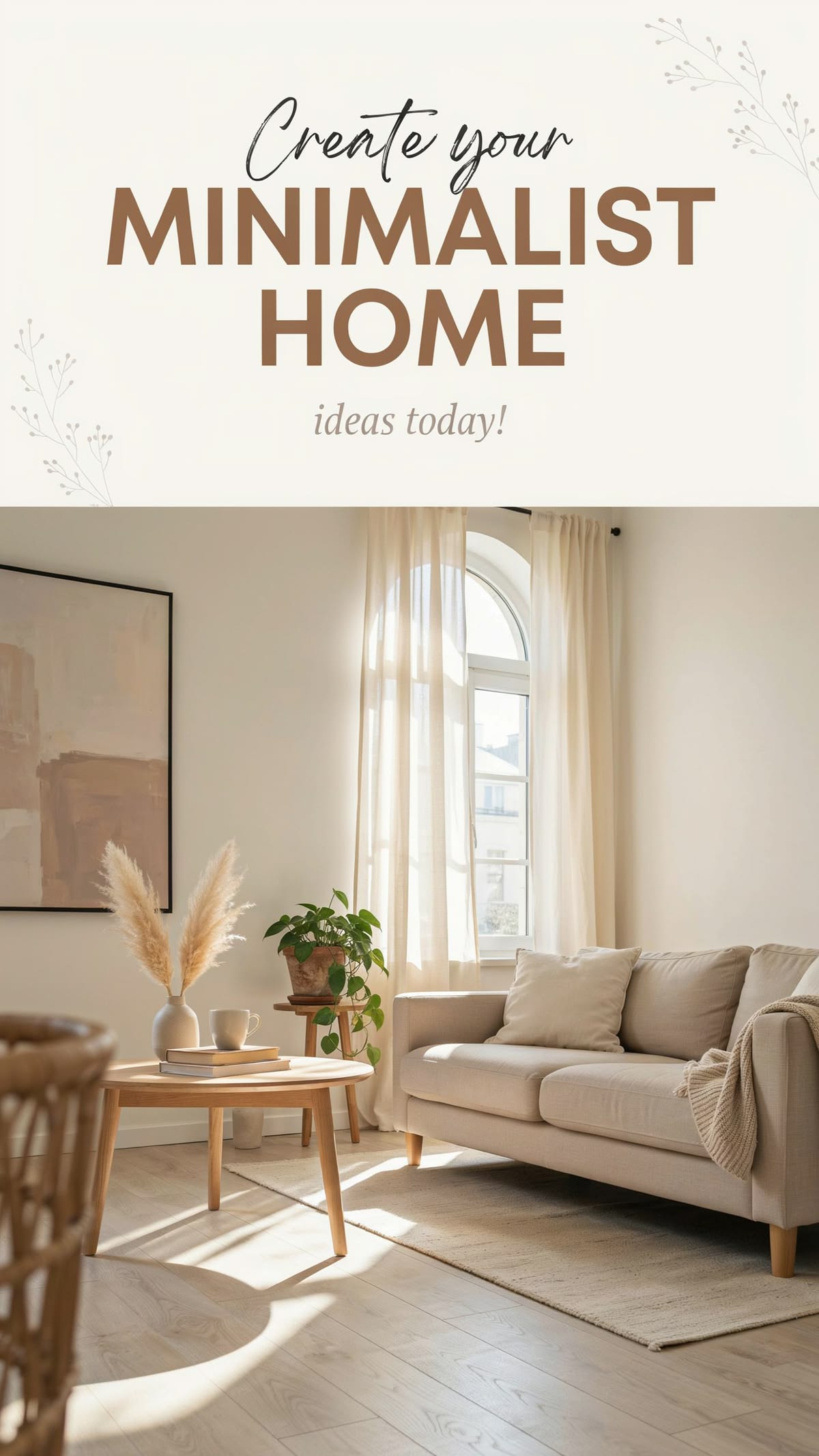

A peaceful home does not need expensive furniture, elaborate decorations, or the latest interior design trends. Sometimes, the most beautiful spaces are the simplest ones. Minimalist home decor is all about creating a clean, calm, and functional environment where every item has a purpose and every room feels comfortable.
Inspired by simplicity, balance, and thoughtful design, minimalism encourages you to focus on what truly matters. Instead of filling your home with unnecessary objects, you choose furniture, colors, and accessories that bring beauty and functionality to your everyday life.
Whether you live in a small apartment or a spacious house, minimalist decorating can help you create a home that feels more organized, airy, and relaxing. You do not need to change everything at once. Small, intentional improvements can make a significant difference.
Here are 15 simple ways to create a clean and peaceful home with minimalist decor.
1. Start by Decluttering Your Space
The foundation of minimalist home decor is removing unnecessary clutter. Too many objects on countertops, shelves, and tables can make even a spacious home feel crowded.
Begin with one room at a time. Sort your belongings into items you use regularly, items you genuinely love, and things you no longer need. Donate usable items, recycle where appropriate, and store occasional-use belongings neatly.
Pay particular attention to frequently used surfaces, such as kitchen counters, coffee tables, and bedside tables. Keeping these areas clear immediately creates a calmer appearance.
Remember that minimalism does not mean getting rid of everything. It means making room for the things that are useful, meaningful, or beautiful to you.
2. Choose a Soft, Neutral Color Palette
Colors have a powerful influence on the atmosphere of a room. Minimalist interiors often use neutral shades to create a sense of simplicity and visual harmony.
Consider colors such as warm white, cream, beige, taupe, and soft gray. These shades provide a versatile foundation that works well with natural materials and understated furniture.
You can introduce subtle variations through cushions, rugs, curtains, and decorative accessories. For example, warm-white walls paired with beige upholstery and light oak furniture create a welcoming, balanced appearance.
If you enjoy stronger colors, incorporate them sparingly through artwork or a single accent chair.
The aim is not to make every room look identical, but to create a cohesive palette that feels comfortable and uncluttered.
3. Invest in Simple, Functional Furniture
Minimalist furniture combines clean lines, practical design, and comfortable proportions. Instead of filling a room with numerous pieces, select furniture that serves a clear purpose.
A streamlined sofa, a simple wooden dining table, and a practical storage cabinet can provide everything you need without overwhelming the space.
Look for furniture with uncomplicated shapes and finishes that complement your home’s color palette. Natural wood, neutral upholstery, and subtle metal details are popular choices.
Before buying anything new, consider whether it improves your daily life and fits comfortably into the room.
In smaller homes, multifunctional furniture can be especially helpful. Storage ottomans, nesting tables, and beds with drawers provide functionality while keeping clutter under control.
4. Make the Most of Natural Light
Natural light can make a minimalist home feel open, fresh, and inviting. Bright rooms often appear more spacious, while sunlight highlights the textures and materials that give simple interiors their character.
Keep windows clean and avoid placing bulky furniture directly in front of them. Choose lightweight curtains or simple blinds that allow daylight to enter while providing privacy when needed.
If your home receives limited natural light, use mirrors to reflect available daylight and choose wall colors that help brighten the room.
At night, combine ambient lighting with table lamps, floor lamps, or wall lights to create a comfortable atmosphere.
A well-lit room does not need excessive decoration to feel beautiful. Light itself can become one of the most important features of your interior.
5. Incorporate Natural Materials
Natural materials bring warmth and texture to minimalist interiors. Without them, a simple room can sometimes feel too plain or sterile.
Wood, linen, cotton, wool, stone, and rattan introduce subtle variations that make a space feel more inviting.
Consider a wooden coffee table, linen curtains, a wool rug, or woven storage baskets. These materials complement neutral colors while adding visual depth.
You can also combine different finishes, such as a smooth stone tabletop with textured upholstery and natural wood furniture.
The key is to use materials thoughtfully rather than introducing too many competing textures. A few carefully chosen elements can create a rich, layered look while preserving the simplicity of the room.
6. Keep Surfaces Clean and Simple
Minimalist interiors benefit from uncluttered surfaces. Clear countertops, dining tables, and shelves help rooms feel organized and allow important design features to stand out.
Instead of displaying numerous small decorations, choose a few meaningful objects. A ceramic vase, a small stack of books, or a simple bowl can be enough to style a coffee table.
In the kitchen, keep frequently used essentials accessible while storing less attractive items inside cupboards.
In the bedroom, limit bedside decorations to practical objects such as a lamp, a book, or a small tray.
You do not have to eliminate every decorative item. The goal is to create visual breathing room so that the objects you keep feel intentional.
7. Use Smart Storage Solutions
A clean home is easier to maintain when everything has a designated place. Good storage helps you preserve a minimalist appearance without sacrificing practicality.
Choose closed cabinets, storage baskets, drawer organizers, and multifunctional furniture to keep everyday belongings out of sight.
In small rooms, make use of vertical space with wall-mounted shelves or tall storage units. In bedrooms, under-bed drawers can provide valuable space for clothing, spare bedding, and seasonal items.
Keep frequently used belongings within easy reach and store occasional-use items elsewhere.
Avoid purchasing storage containers before assessing what you actually need to store. Organizing your existing belongings first helps prevent unnecessary purchases and makes your storage system more effective.
8. Add Greenery for a Natural Touch
Indoor plants can soften the clean lines of minimalist decor and introduce a refreshing touch of nature.
A single larger plant in a corner can create a subtle focal point, while a small plant on a shelf or side table adds color without overwhelming the space.
Choose plants that suit the light and humidity levels in your home. Snake plants and ZZ plants are popular options for relatively low-maintenance indoor greenery.
Use simple planters in ceramic, terracotta, or neutral finishes to complement your interior.
If you prefer an especially restrained look, begin with one or two plants rather than filling every room with greenery.
The aim is to create a connection with nature while maintaining a sense of calm and simplicity.
9. Choose Soft and Comfortable Textiles
Minimalism is not about creating a cold or uncomfortable environment. Soft textiles are essential for making a simple home feel warm and inviting.
Choose cushions, throws, rugs, and bedding in complementary colors and comfortable fabrics.
A textured wool rug can soften a wooden floor, while linen cushions add subtle detail to a neutral sofa. In the bedroom, layered bedding in cream, beige, or soft gray creates a restful atmosphere.
Rather than combining many bold patterns, experiment with different textures within a consistent color palette.
These small details help create a home that feels peaceful and comfortable without adding unnecessary visual complexity.
10. Decorate With Meaningful Artwork
Minimalist walls do not have to be completely empty. Artwork can add personality and create a focal point while preserving a clean aesthetic.
Choose one large painting, a simple abstract print, or a photograph that you genuinely enjoy. A carefully selected piece can often make a stronger impression than a crowded gallery wall.
Use frames that complement your furniture and wall colors. Natural wood, black, and white frames are versatile options.
Hang artwork at a comfortable viewing height and allow sufficient space around it.
The most important principle is to select pieces that have meaning to you rather than decorating every empty wall simply because it is bare.
11. Create a Peaceful Bedroom
The bedroom should be one of the calmest areas in your home. Minimalist design can help you create a restful environment by reducing distractions and emphasizing comfort.
Start with a neatly made bed, coordinated bedding, and a simple bedside table. Keep clothing organized and avoid allowing laundry or miscellaneous items to accumulate.
Use soft lighting and consider blackout curtains if you need help controlling unwanted light while sleeping.
Limit electronic clutter and unnecessary decorations around the bed. A few personal touches, such as a favorite book or a small plant, are enough to make the room feel welcoming.
A peaceful bedroom is not defined by how little furniture it contains, but by how comfortably it supports rest and relaxation.
12. Simplify Your Kitchen
A minimalist kitchen is clean, practical, and easy to use. Keeping work surfaces relatively clear gives you more room to prepare meals and makes the space feel organized.
Store small appliances you rarely use inside cabinets, arrange utensils in drawers, and group everyday essentials in designated areas.
Choose simple accessories and coordinated storage containers if you display ingredients on open shelves.
You can also create a more cohesive appearance by using consistent finishes for cabinet handles, faucets, and other visible details.
Regularly check your cupboards and remove expired food or items you no longer use.
A well-organized kitchen demonstrates that minimalist design is as much about functionality as appearance.
13. Use Simple, Warm Lighting
Lighting plays an important role in creating a peaceful atmosphere. Instead of relying entirely on bright overhead lights, combine different sources of illumination.
A simple pendant light can provide general lighting, while table lamps create a softer glow in living rooms and bedrooms. Wall lights can illuminate darker corners without taking up floor space.
Choose fixtures with understated shapes and finishes that complement your interior.
Warm-white lighting is often suitable for relaxing areas, while brighter task lighting is useful for cooking, reading, and working.
Avoid making the room too dark in an effort to create a calming mood. Good lighting should support everyday activities while helping the space feel comfortable and balanced.
14. Keep Decorations Intentional
Every decorative object in a minimalist home should have a reason for being there. It might be useful, beautiful, sentimental, or a combination of these.
Instead of purchasing accessories simply to follow trends, choose items that complement your existing furniture and reflect your personal style.
A handmade ceramic vase, a favorite photograph, or a sculptural bowl can add character without creating clutter.
Group a few complementary objects together and leave empty space around them. This allows each piece to stand out.
You can also rotate decorations occasionally, storing some items and displaying others. This refreshes your interior without requiring constant shopping or major changes.
15. Develop Simple Daily Habits
Maintaining a minimalist home is easier when tidying becomes part of your routine.
Spend a few minutes each day putting belongings back in their designated places, clearing frequently used surfaces, and preparing rooms for the following day.
Make your bed in the morning, wash dishes regularly, and return clothing to wardrobes rather than leaving it on chairs.
At the end of each week, review areas where clutter tends to accumulate and make small adjustments.
These habits prevent mess from becoming overwhelming and help preserve the calm atmosphere you have created.
Minimalism works best when it supports your lifestyle rather than becoming another demanding task on your to-do list.
Conclusion
Minimalist home decor is about creating a space that feels clean, comfortable, and peaceful without unnecessary distractions. By decluttering thoughtfully, choosing harmonious colors, investing in functional furniture, maximizing natural light, and incorporating natural materials, you can transform your home into a calming retreat.
You do not need to change every room at once or spend a large amount of money. Start with one small area, make intentional choices, and gradually build habits that support a simpler way of living.
Remember that minimalism does not mean an empty home or a lack of personality. It means creating space for the things that genuinely matter to you.
A peaceful home is not about having less for the sake of it; it is about making room for more comfort, clarity, and joy in everyday life.