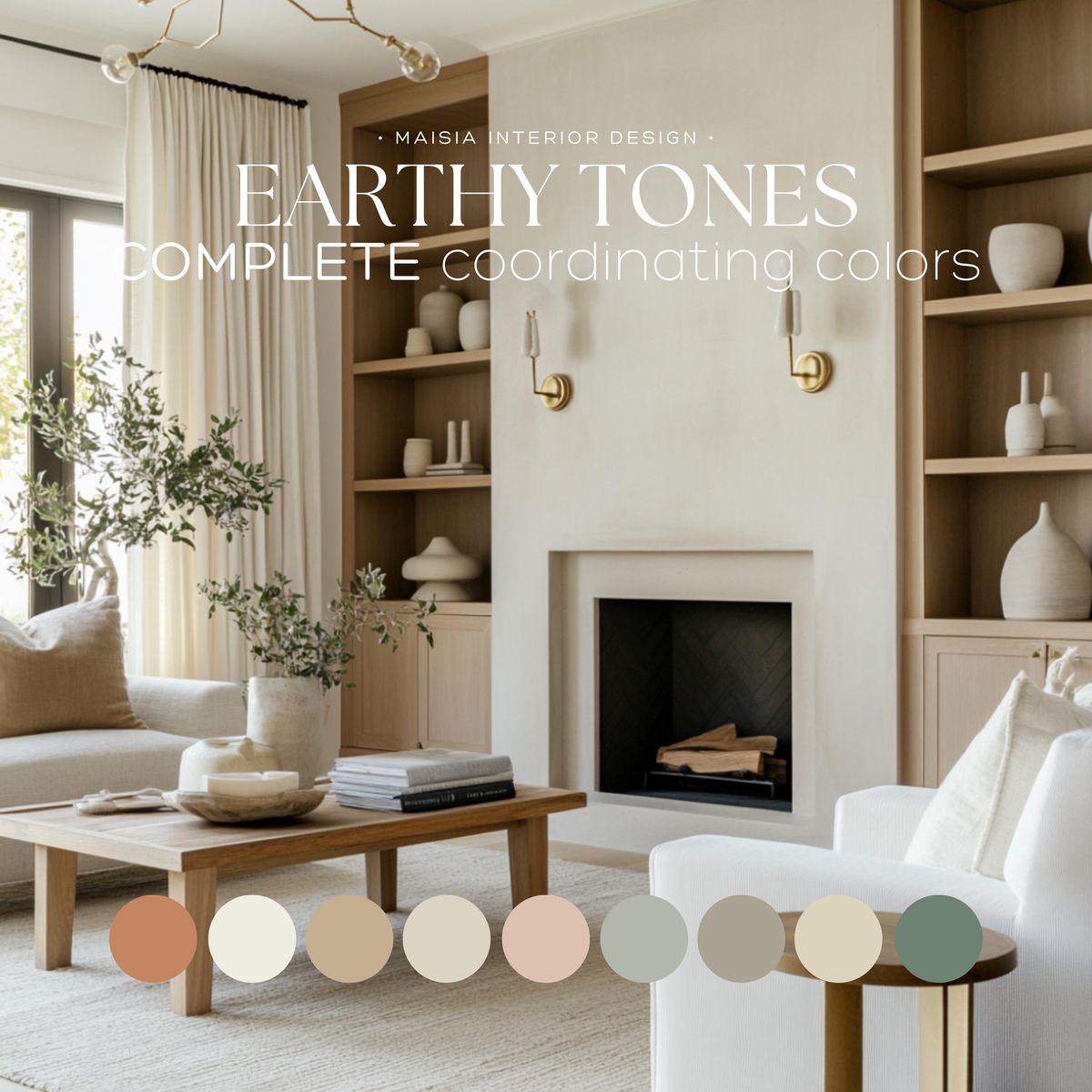

Choosing the best paint color for a house is one of the most important decisions in creating a beautiful, modern, and attractive home. The right colors can make a house look luxurious, spacious, welcoming, and expensive. They can also improve the appearance of the building, complement its architectural design, and create a lasting impression on visitors.
A modern house does not necessarily need many colors to look beautiful. In most cases, two or three well-matched colors are enough to create an elegant appearance. The secret is choosing colors that complement one another and suit the roof, windows, doors, floors, and general design of the building.
Below are some of the best paint color combinations for a beautiful and modern house.
1. Warm White and Charcoal Grey
Warm white and charcoal grey are among the best combinations for a modern house. They create a sophisticated, clean, and luxurious appearance that works well with different architectural styles.
Warm white is an excellent choice for the main exterior walls because it makes the building look bright and fresh. Unlike very bright white, warm white has a slightly soft appearance that feels comfortable and welcoming. Charcoal grey can be used on feature walls, pillars, balcony sections, and other architectural details.
For an even more modern finish, black window frames and a black metal gate can complement the combination beautifully.
This color scheme is particularly suitable for modern duplexes, bungalows, and luxury residential buildings. It also works well in Nigeria because light-colored walls reflect sunlight and can help the exterior feel less visually heavy.
Recommended combination: Warm white for the main walls, charcoal grey for selected features, and black for metal accents.
2. Cream and Coffee Brown
Cream and coffee brown are excellent choices for homeowners who prefer a warm, elegant, and timeless appearance. These colors create a welcoming atmosphere without making the building look old-fashioned.
Cream works well as the primary wall color because it is soft, bright, and easy to coordinate with other finishes. Coffee brown adds depth and contrast when used on columns, entrance walls, decorative bands, or boundary walls.
The combination is particularly attractive when the house has brown roof tiles, wooden doors, stone finishes, or warm outdoor lighting.
One advantage of cream is that it can make a house look bright without the sharpness of pure white. Coffee brown also helps create a sense of balance and gives the exterior a richer appearance.
However, it is best to avoid using too much dark brown, especially on a small building, because excessive dark colors may make the house appear visually heavy.
Recommended combination: Light cream for the main walls, medium coffee brown for feature areas, and white for selected trims.
3. Greige and Dark Grey
Greige is a mixture of grey and beige. It is an increasingly popular choice for contemporary homes because it combines the sophistication of grey with the warmth of beige.
This color is ideal for homeowners who want something different from ordinary white or cream but still prefer a neutral and elegant appearance.
Greige works beautifully on large exterior wall surfaces. Dark grey can then be introduced on selected walls, pillars, garage sections, and other architectural features.
The result is a modern, coordinated appearance that does not depend on bright or dramatic colors.
Greige also pairs well with black windows, glass balconies, stone cladding, and simple landscaping. It is particularly suitable for homes with clean lines and minimalist architectural designs.
For the best result, choose a greige shade that does not appear too yellow or too purple under natural light. Test the paint on the actual wall before making a final decision.
Recommended combination: Light greige for the main walls, dark grey for accents, and black for window frames and railings.
4. White and Black
White and black create a bold, striking, and minimalist appearance. This combination is especially popular in modern architectural designs because it emphasizes the shape and structure of the building.
White makes the house appear bright and spacious, while black adds contrast and definition. The two colors can be used on walls, windows, doors, gates, railings, and other exterior details.
For example, a house with white walls, black window frames, and a black gate can look stylish without requiring additional decorative colors.
However, the balance between the two colors is important. Using white as the main color and black as an accent usually produces a more harmonious appearance than covering large sections of the building in black.
Dark exterior surfaces can absorb more heat when exposed to direct sunlight, so black is generally best reserved for smaller details or carefully selected feature areas.
Recommended combination: Soft white for the main walls, matte black for accents, and light grey for additional architectural details.
5. Sage Green and Warm White
Sage green is a soft, muted shade of green that gives a house a natural, peaceful, and contemporary appearance. When combined with warm white, it creates a fresh look that is attractive without being too bold.
Warm white can be used on most walls, while sage green can be applied to the entrance, selected columns, recessed walls, or other architectural features.
This combination is particularly suitable for houses surrounded by trees, gardens, flowers, or landscaped outdoor spaces.
Sage green also works well with natural wood, stone finishes, and dark metal window frames. These materials help create a balanced connection between the building and its surroundings.
It is important to select a muted shade rather than an excessively bright green. Softer shades usually look more refined and are easier to coordinate with other exterior finishes.
Recommended combination: Warm white for the main walls, sage green for feature walls, and dark grey for selected details.
6. Light Grey and Navy Blue
Light grey and navy blue provide another excellent combination for a modern home. Light grey creates a calm, neutral background, while navy blue introduces character and sophistication.
Light grey can be applied to the main exterior walls, while navy blue can be used around the entrance, on selected architectural features, or on a carefully chosen accent wall.
The combination works particularly well with white trims, black window frames, and modern outdoor lighting.
However, navy blue should be used thoughtfully. Too much dark blue may make the building appear heavy, especially if the house is small or receives limited natural light.
For a balanced appearance, keep light grey as the dominant color and use navy blue only where you want to draw attention.
Recommended combination: Light grey for the main walls, navy blue for selected accents, and white for trims.
7. The Best Paint Colors for the Interior
The inside of a house requires a slightly different approach from the exterior. Interior colors should complement furniture, flooring, lighting, curtains, and the purpose of each room.
For living rooms, warm white, light beige, and soft greige are excellent choices. These colors create a welcoming atmosphere and work with many furniture styles.
For bedrooms, soft cream, pale grey, muted sage green, and other gentle shades can create a calm and relaxing environment.
For kitchens, white, light grey, and warm beige can produce a clean, bright appearance. These colors also coordinate well with modern cabinets and countertops.
For hallways and smaller rooms, lighter shades can help the spaces feel more open. However, the amount of natural light in each room should influence the final choice.
It is also advisable to use washable, durable interior paint in areas that experience frequent contact, particularly kitchens, children’s rooms, and busy hallways.
8. How to Choose the Perfect Color for Your House
Before buying paint, consider the following factors:
- Architectural design: Choose colors that complement the building’s shape, pillars, balconies, windows, and decorative features.
- Roof color: Your paint should coordinate with the roof rather than compete with it.
- Natural lighting: Observe how the colors look in morning sunlight, afternoon sunlight, and shade.
- Surroundings: Consider the compound, landscaping, neighboring buildings, and outdoor finishes.
- Paint quality: Select durable exterior paint that is appropriate for the local climate and resistant to weathering and moisture.
- Color balance: Use one dominant color, one complementary color, and an optional accent color.
- Testing: Apply small samples to the wall and observe them in different lighting conditions before painting the entire building.
Remember that a beautiful house is not created by color alone. Proper surface preparation, smooth plastering, neat painting, quality finishes, and well-maintained surroundings all contribute to the final result.
Conclusion: My Best Recommendation
If your goal is to make your house look beautiful, modern, and luxurious, my first recommendation is warm white, charcoal grey, and black accents.
Use warm white on approximately 70% of the exterior, charcoal grey on around 20%, and black or another dark color on the remaining 10% for selected details. These percentages are only a practical starting point, not a strict rule.
This combination creates an elegant appearance, highlights architectural features, and remains attractive across many modern house designs.
If you prefer a warmer appearance, choose cream and coffee brown. If you want a minimalist look, choose white and black. If you want something contemporary but distinctive, consider greige and dark grey or sage green and warm white.
Ultimately, the best paint color is one that complements your building’s design, suits your personal taste, and remains beautiful for years. Choosing a coordinated palette and applying it carefully will help your house achieve the modern, attractive, and luxurious appearance you desire.