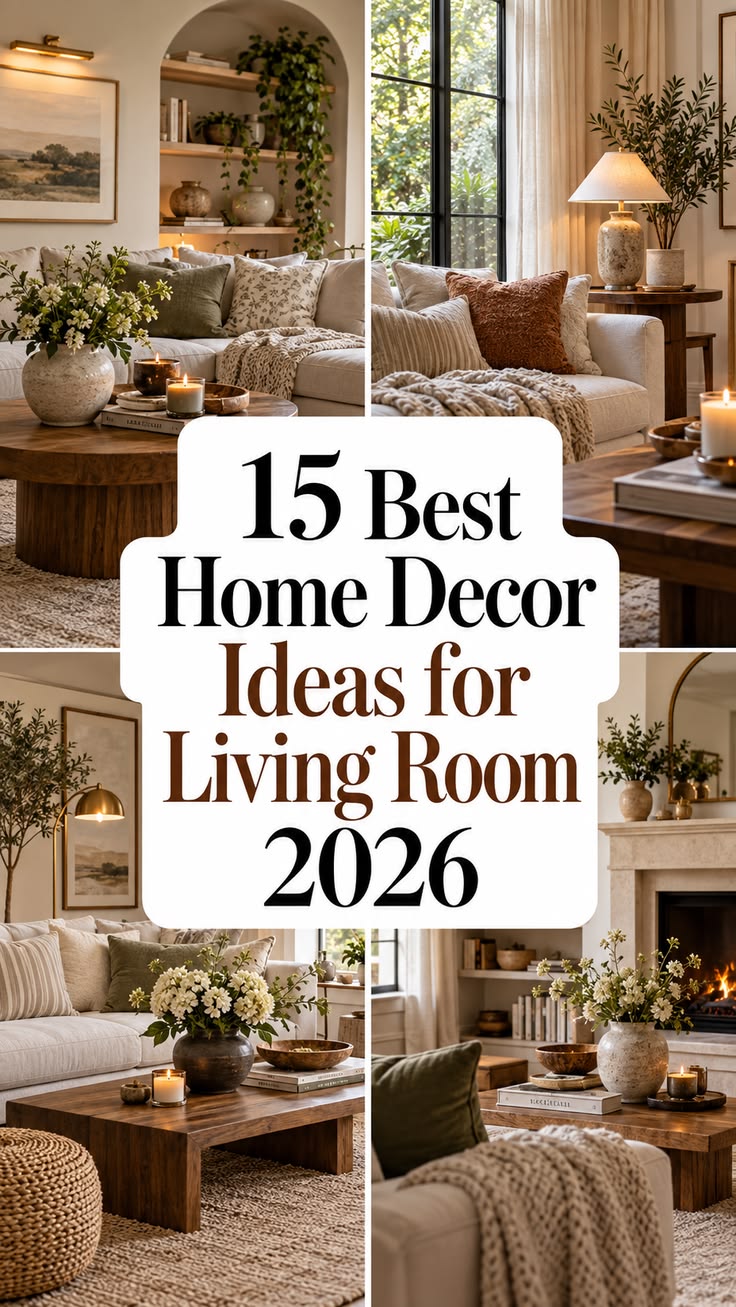

Home decor in 2026 is all about creating spaces that feel warm, comfortable, personal, and timeless. Instead of focusing on perfectly matched furniture and minimalist interiors, homeowners are embracing individuality, natural materials, expressive colors, vintage finds, and thoughtful design. The goal is to create a home that looks beautiful while reflecting the people who live in it.
Whether you are planning a complete home makeover or simply refreshing a living room, bedroom, or kitchen, understanding the latest trends can help you make stylish and practical choices. Here are ten home decor trends shaping interiors in 2026.
1. Warm and Earthy Color Palettes
Warm colors are becoming increasingly popular in contemporary interiors. Shades such as chocolate brown, terracotta, caramel, olive green, burgundy, and creamy beige bring depth and comfort to living spaces.
These colors create a welcoming atmosphere and work beautifully with natural materials such as wood, stone, linen, and leather. Instead of relying on cool greys and stark whites, many interiors are incorporating warmer neutrals that make rooms feel more inviting.
You can introduce this trend through cushions, curtains, rugs, lampshades, or decorative accessories. For a more noticeable transformation, consider painting an accent wall in a rich earthy shade.
Decorating tip: Combine cream, brown, and olive green to create a balanced color scheme that feels sophisticated without looking overly coordinated.
2. Natural Materials and Textured Finishes
Natural materials remain an important feature of home decor in 2026. Wood, stone, rattan, jute, linen, wool, and handmade ceramics bring texture and authenticity to modern interiors.
The emphasis is on materials that look and feel natural rather than perfectly uniform. Wooden furniture with visible grain, textured fabrics, and handmade decorative objects can make a room feel more individual.
Texture is particularly valuable in neutral spaces. A beige sofa, for example, can look more interesting when styled with a chunky knitted throw, linen cushions, a wooden coffee table, and a textured rug.
When choosing materials, consider durability and maintenance as well as appearance. Well-made furniture that lasts for years can be a more practical investment than inexpensive items that need frequent replacement.
3. Curved Furniture and Organic Shapes
Curved furniture continues to influence modern interior design. Rounded sofas, sculptural armchairs, oval coffee tables, circular mirrors, and softly shaped accessories help create a relaxed and visually balanced environment.
These shapes introduce movement and soften rooms dominated by straight lines and rectangular furniture. They work particularly well in living rooms, bedrooms, and reading corners.
You do not need to replace all your furniture to embrace this trend. A rounded mirror, an oval side table, or a sculptural lamp can introduce softer shapes without significantly changing your interior.
For the best results, combine curved pieces with simple furniture and clean architectural lines. This contrast keeps the room looking balanced rather than overly decorative.
4. Vintage Furniture and Eclectic Interiors
Vintage furniture and second-hand accessories are becoming increasingly important in creating homes with character. Rather than purchasing matching furniture sets, homeowners are mixing contemporary pieces with antiques, retro designs, and personal collections.
An antique wooden cabinet can complement a modern sofa, while a vintage mirror can add personality to a simple hallway. Old dining tables, restored chairs, traditional lamps, and decorative ceramics can also bring warmth to contemporary interiors.
This trend encourages people to choose furniture based on quality, history, and personal preference rather than appearance alone.
Vintage decorating can also be budget-friendly. Charity shops, second-hand marketplaces, flea markets, and family heirlooms are useful places to discover distinctive pieces.
The secret is to combine old and new thoughtfully so that the room feels collected over time rather than themed around a particular period.
5. Bold Patterns and Personal Expression
Homeowners are increasingly using patterns and decorative details to express their personalities. Floral prints, stripes, botanical designs, patterned wallpaper, colorful cushions, and statement rugs can bring energy to otherwise simple interiors.
This approach offers an alternative to strictly minimalist decorating. Instead of keeping every surface plain, homeowners can introduce a mixture of colors, textures, and designs that reflect their interests.
However, successful pattern mixing requires some balance. Choose designs that share a similar color palette, or combine one prominent pattern with smaller, more subtle prints.
For example, floral cushions can work beautifully with a striped throw and a patterned rug when the colors complement one another.
If you prefer a more understated style, introduce patterns through a single statement item rather than decorating the entire room.
6. Statement Lighting
Lighting is becoming an essential decorative feature rather than simply a practical necessity. Sculptural pendants, oversized table lamps, decorative wall lights, and textured lampshades can transform the atmosphere of a room.
Materials such as glass, ceramic, fabric, and metal offer different visual effects and can complement a wide range of interior styles.
Layered lighting is particularly useful in living rooms and bedrooms. Combine ceiling lights with floor lamps, table lamps, and wall lights to create different moods throughout the day.
Warm lighting can make evening spaces feel more relaxing, while focused task lighting is useful for reading, cooking, and working.
A distinctive lamp can also serve as a focal point, making it an effective way to update a room without purchasing new furniture.
7. Textured Walls and Decorative Finishes
Walls are receiving more attention in 2026, with textured finishes adding depth and character to interior spaces. Limewash paint, decorative plaster, textured wallpaper, and traditional wall panelling are popular options for creating visual interest.
These finishes can make a room feel more sophisticated without requiring extensive decoration. Limewash creates subtle tonal variation, while wall panelling introduces structure and architectural detail.
You can apply these treatments throughout a room or use them on a single feature wall in a bedroom, dining area, or living room.
For a more affordable update, consider textured wallpaper or a carefully selected matte paint color. Always test samples under natural and artificial lighting before making a final decision.
8. Nature-Inspired Interiors
Bringing elements of nature indoors remains a major influence on home design. Natural light, indoor plants, botanical artwork, wooden furniture, and organic colors can help create a calming atmosphere.
Large plants can fill empty corners, while smaller varieties work well on shelves, desks, and windowsills. If maintaining plants is difficult, nature-inspired artwork, botanical prints, and natural materials can provide a similar visual effect.
Where possible, keep windows unobstructed during the day and choose lightweight curtains that allow natural light to enter.
This approach, often associated with biophilic design, focuses on strengthening the connection between indoor environments and nature.
The aim is not to fill every room with plants but to create a balanced, refreshing space that feels connected to the outdoors.
9. Comfortable and Personalised Living Spaces
Another important trend is designing homes around everyday needs rather than appearance alone. Comfort, functionality, and personal interests are becoming central considerations.
A quiet reading corner, a practical home office, a comfortable bedroom, or a dedicated hobby area can make a home more enjoyable.
Personal objects also play an important role. Books, framed photographs, travel souvenirs, artwork, and handmade decorations help tell a story about the people who live in the space.
Instead of displaying accessories simply because they match a particular style, choose items that have meaning or serve a purpose.
Even small adjustments, such as adding a comfortable chair, improving storage, or introducing softer bedding, can make a noticeable difference.
10. Sustainable and Long-Lasting Decor
Sustainability continues to influence decorating decisions. Many homeowners are choosing second-hand furniture, restoring existing pieces, repairing damaged items, and investing in durable products.
This approach encourages thoughtful purchasing and reduces the need to replace furniture whenever trends change.
When shopping for new items, consider material quality, repairability, manufacturing information, and expected lifespan. Natural materials are not automatically sustainable, so responsible sourcing and durability matter.
You can also refresh your home without buying anything new by rearranging furniture, changing cushion covers, repainting an old cabinet, or displaying existing accessories differently.
Decorating gradually allows you to create a more personal interior while avoiding unnecessary spending.
Conclusion
The home decor trends of 2026 focus on warmth, individuality, natural textures, expressive details, and everyday comfort. From earthy colors and curved furniture to vintage accessories, statement lighting, and sustainable choices, there are many ways to refresh your home without following every trend.
The most successful interiors combine contemporary ideas with personal preferences and practical needs. You do not need an expensive renovation or a completely new furniture collection to create a stylish space.
Start with small changes, experiment with colors and textures, and choose pieces that you genuinely love. Ultimately, the best home decor trend in 2026 is creating a home that feels welcoming, functional, and uniquely yours.